
School of Physiotherapy
- Home
- Faculties
- Medical, Allied and Healthcare Sciences
- School of Physiotherapy
- MOUs Activities
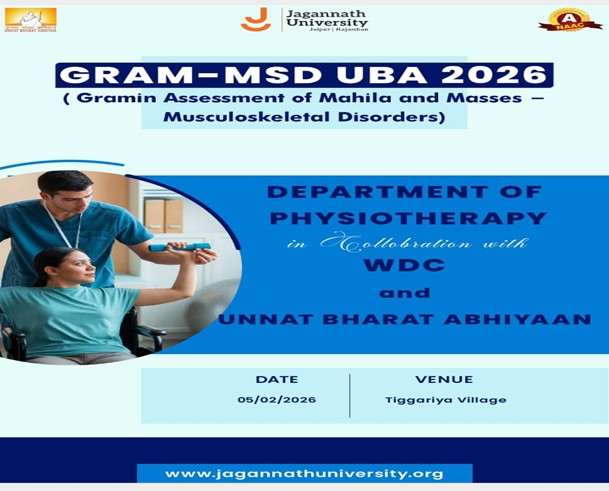
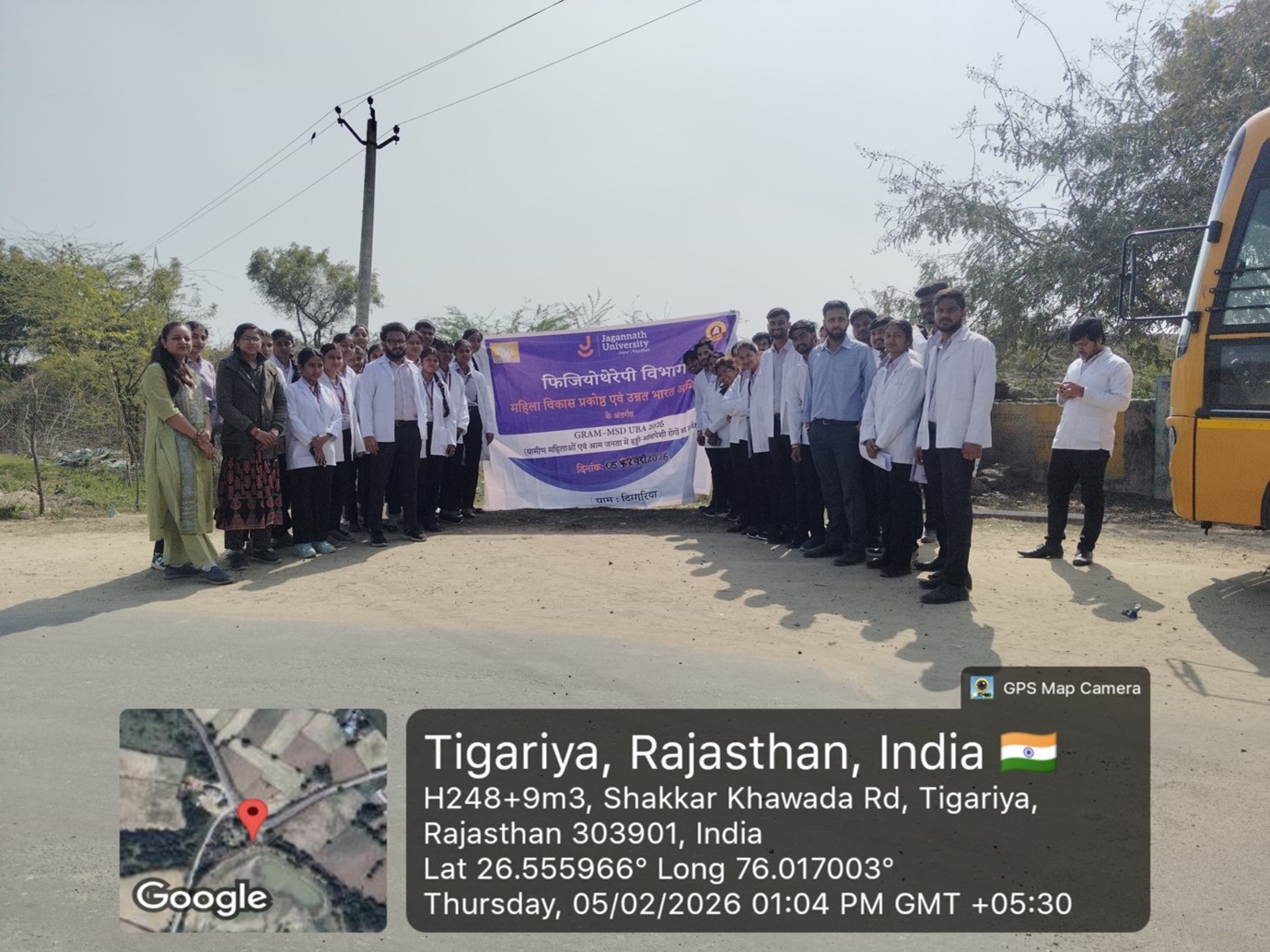
GRAM- MSD UBA 2026 (Gramin assessment of Mahila and Masses- Musculoskeletal Disorders)
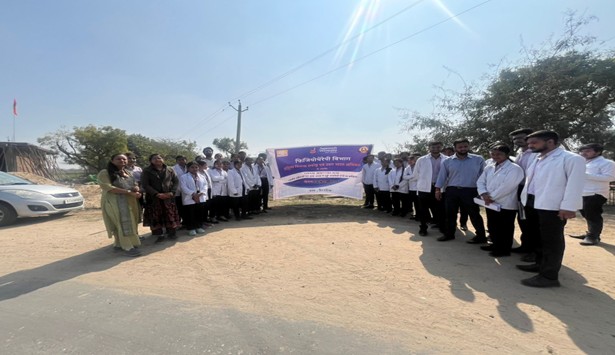
Venue of the event: Tiggariya Village
Objectives
- To assess the musculoskeletal health status of the rural population: The program aimed to systematically identify the prevalence and pattern of musculoskeletal disorders among women and other community members in Tiggariya Village through structured physiotherapy assessments, with special focus on pain, postural issues, functional limitations, and work-related disorders.
- To screen for associated neurological, cardiorespiratory, geriatric, and women’s health conditions: In addition to musculoskeletal evaluation, the camp sought to detect commonly existing neurological deficits, cardiorespiratory limitations, age-related functional decline, and women-specific health concerns, enabling a holistic understanding of rural health needs.
- To provide early physiotherapy consultation and preventive guidance: The objective was to offer basic physiotherapy consultation at the community level, including advice on posture correction, therapeutic exercises, activity modification, and lifestyle changes, thereby preventing progression of chronic conditions and improving quality of life.
- To promote awareness about physiotherapy and preventive healthcare: The program aimed to educate villagers about the role of physiotherapy in pain management, rehabilitation, and functional independence, encouraging early health-seeking behaviour and self-care practices.
- To generate community health data for planning future interventions: By using a standardized assessment form, the event aimed to create a reliable database of community health information that can be utilized for follow-up camps, referral services, research activities, and targeted health programs.
- To provide experiential learning and clinical exposure to physiotherapy students: The camp was designed to bridge the gap between theoretical knowledge and practical application by exposing students to real-life rural healthcare scenarios, enhancing their clinical reasoning, assessment skills, communication abilities, and professional confidence.
- To instill social responsibility and community engagement among students: An important objective was to sensitize students to rural health challenges and inculcate values of empathy, teamwork, leadership, and service, aligning their professional growth with societal needs.
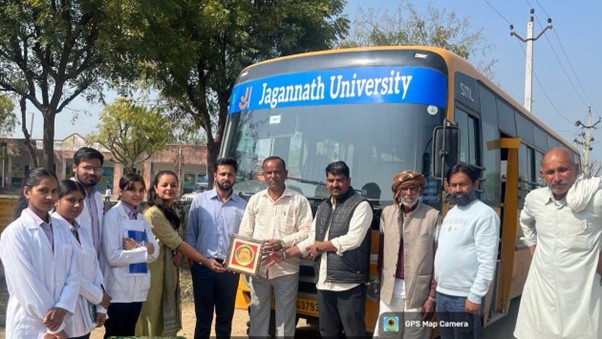
- To strengthen university–community partnership under Unnat Bharat Abhiyan: The event aimed to foster sustainable collaboration between Jagannath University and the Gram Panchayat of Tiggariya Village, contributing to the broader goal of inclusive rural development envisioned by Unnat Bharat Abhiyan.
Program Components
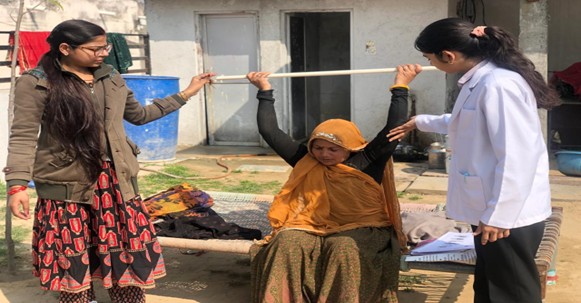
- Community-based physiotherapy assessment and consultation camp.
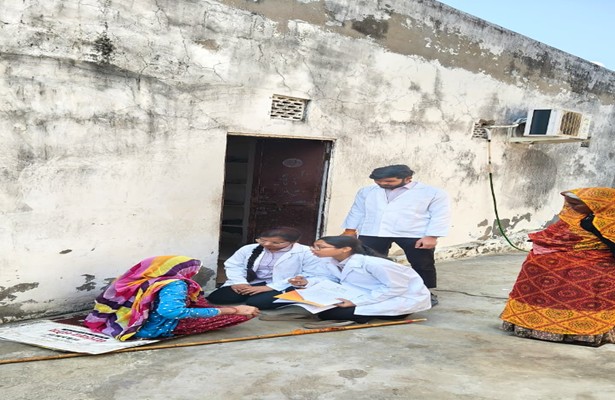
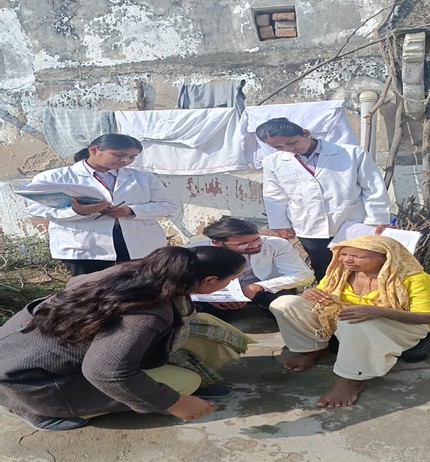
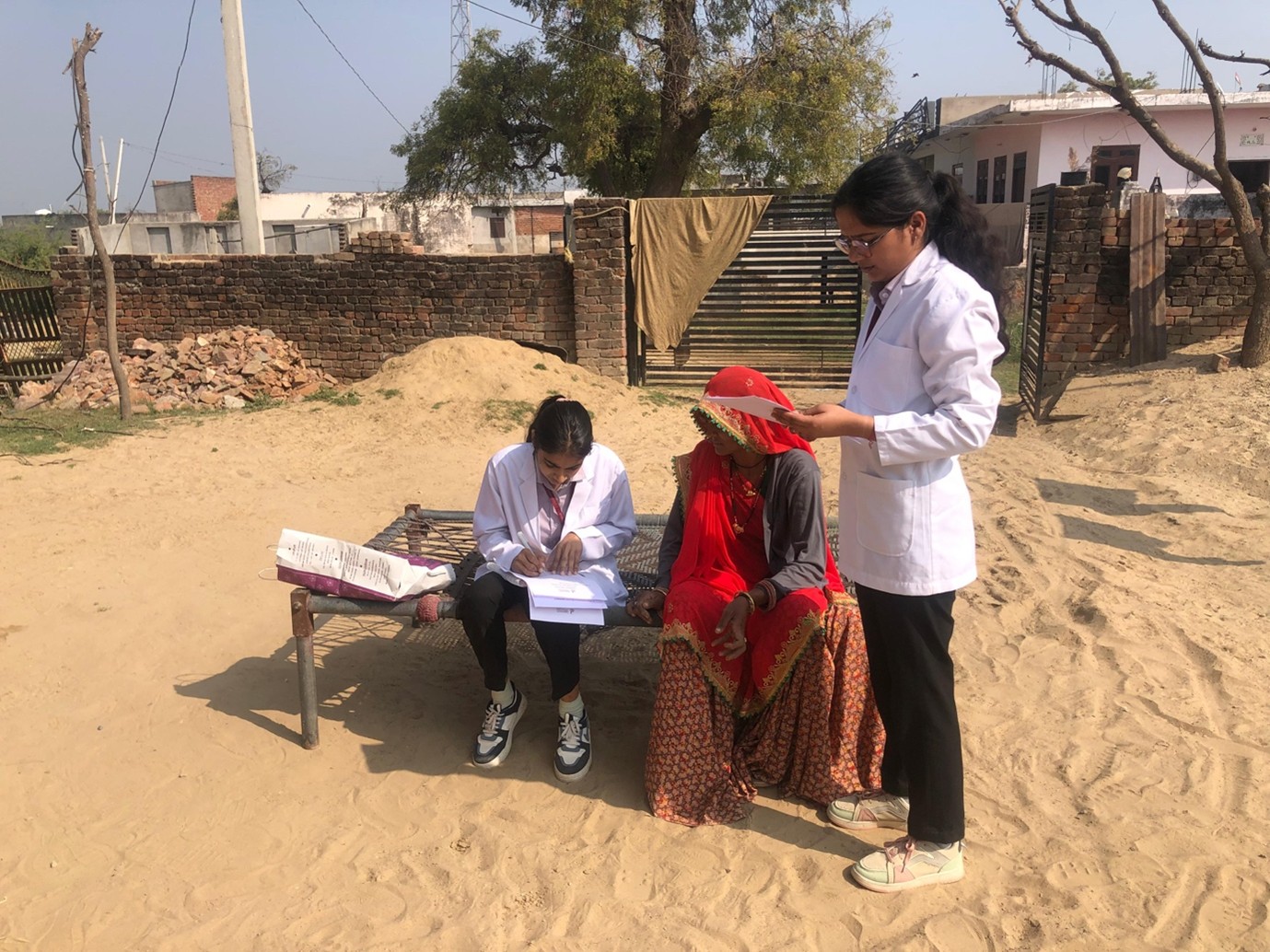
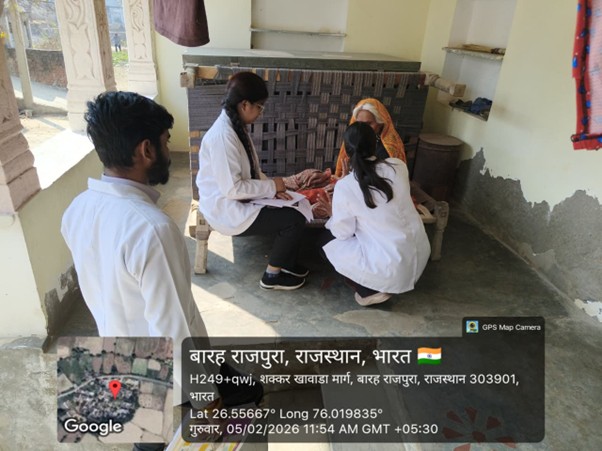
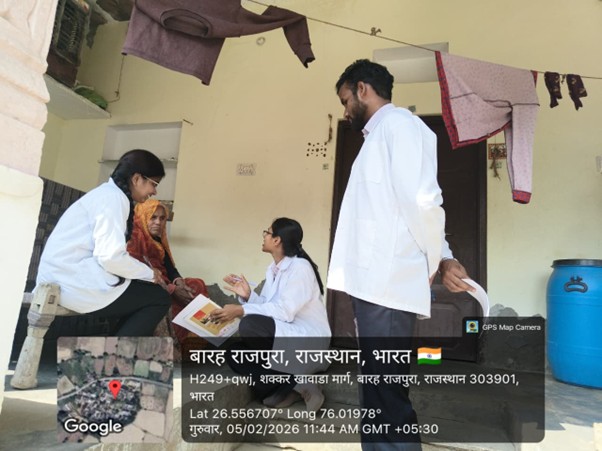
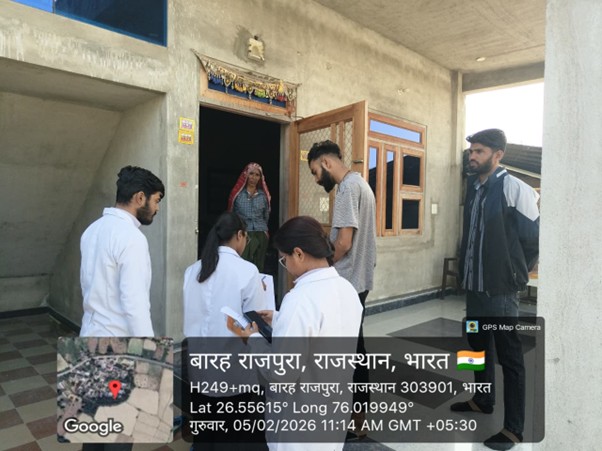
- House-to-house health screening using a structured assessment proforma.
-
Screening for:
- Musculoskeletal disorders
- Neurological conditions
- Cardiorespiratory issues
- Geriatric problems
- Women’s health concerns
- Health education and basic exercise advice tailored to individual needs.
- Interaction and coordination with Gram Panchayat representatives.
Program Strategies
- Formation of small student teams (4 students per group) under faculty supervision.
- Door-to-door visits to ensure maximum coverage and personalized assessment.
- Use of standardized data collection tools for accurate community health profiling.
- On-site clinical evaluation and counselling by trained physiotherapy students.
- Community engagement through respectful communication and local leadership involvement.
Program Resources:
- Trained facilitators and healthcare professionals.
- Educational resources (e.g., pamphlets, posters).
- Venue and logistics support.
Outcomes
- Identification of a wide range of untreated and under-reported health conditions in the village.
- Improved awareness among villagers regarding physiotherapy and preventive healthcare.
- Creation of a community health database for future interventions and follow-up programs.
- Enhanced clinical skills, communication abilities, teamwork, and social responsibility among students.
- Strengthened partnership between Jagannath University and the local community under Unnat Bharat Abhiyan.
- Students gained valuable hands-on experience and deeper insight into rural health care delivery.